
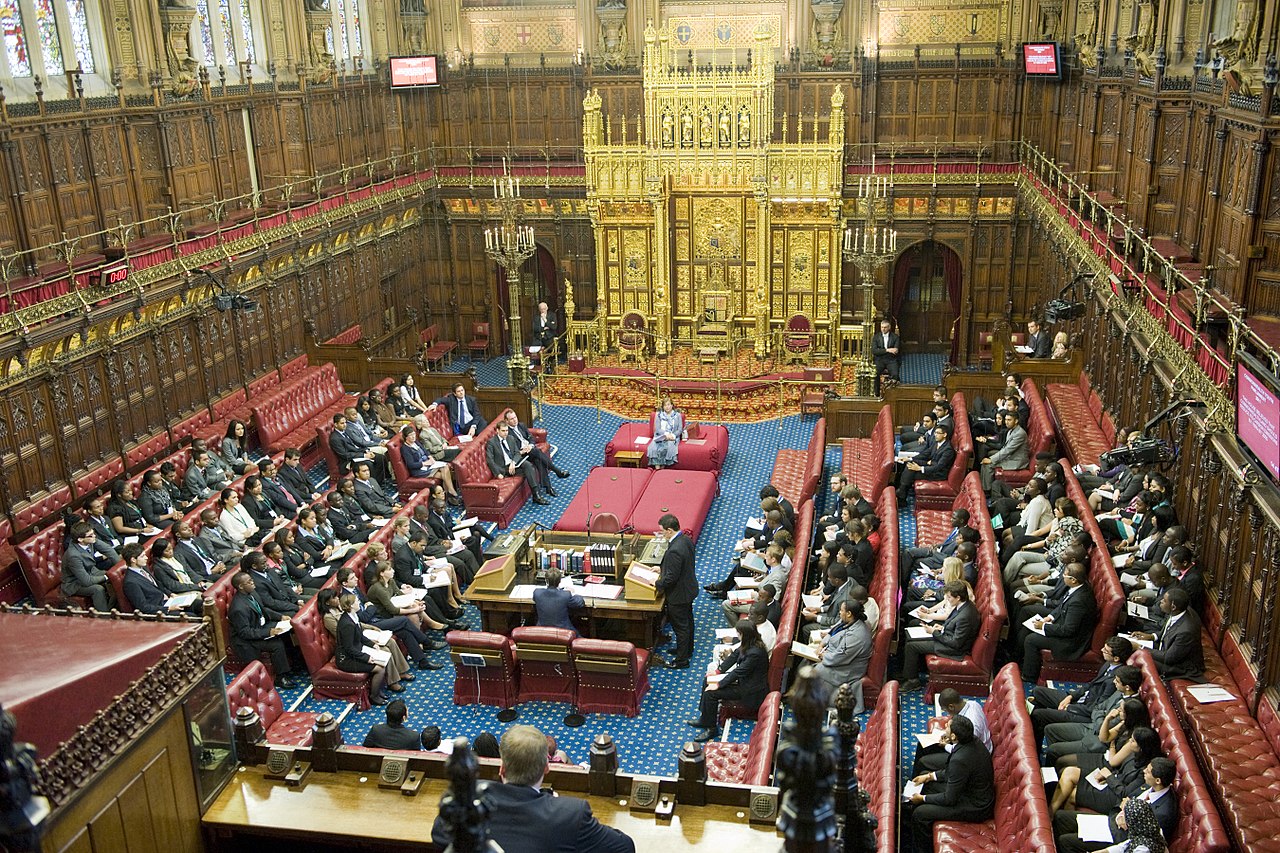
The House of Lords is an embarrassment. It is the second-largest legislative chamber in the world, with over 800 unelected members. It includes 92 hereditary peers who inherited their seats through aristocratic lineage. It costs taxpayers £130 million a year. Members can claim £332 per day just for turning up, with minimal accountability for what they actually do. In 2025, in a country that claims to be a modern democracy, this is not a charming quirk of British tradition. It is a democratic farce, and it needs to be abolished.
The scale of the absurdity
Start with the numbers. The House of Lords has over 800 members as of 2024, making it the second-largest legislative chamber in the world after China's National People's Congress. For comparison, the US Senate has 100 members, the German Bundesrat has 69, and the French Senate has 348. The Lords is bloated beyond any functional justification.
Membership is for life. Once appointed, a peer can sit until they die or voluntarily retire, which few do. There is no election, no term limit, and no mechanism for voters to remove someone who is ineffective or out of touch. The result is a chamber dominated by elderly men—over 70% of members are male, and the average age is well into the sixties—with no accountability to the public.
And then there are the hereditary peers. Ninety-two of them, still sitting in the Lords in 2025, having inherited their seats through aristocratic bloodlines. This is not a historical relic that has been phased out. It is an active part of the current system. When a hereditary peer dies or retires, the remaining hereditary peers of the same party elect a replacement from a pool of eligible aristocrats. It is medieval, and it is happening now.
"We are one of the only countries in the world where your ability to make laws depends on who your ancestors were. That is not democracy. It is not meritocracy. It is aristocracy, and it has no place in a modern state." — A view increasingly reflected in constitutional reform advocacy by the Electoral Reform Society and others.
The cost: £130 million for what?
The Lords costs taxpayers around £130 million per year in running costs, staff salaries, and allowances. Members can claim £332 per day in attendance allowance, plus travel and accommodation expenses, simply for turning up. There is no requirement to speak, vote, or contribute meaningfully. Just sign in, claim the money, and leave.
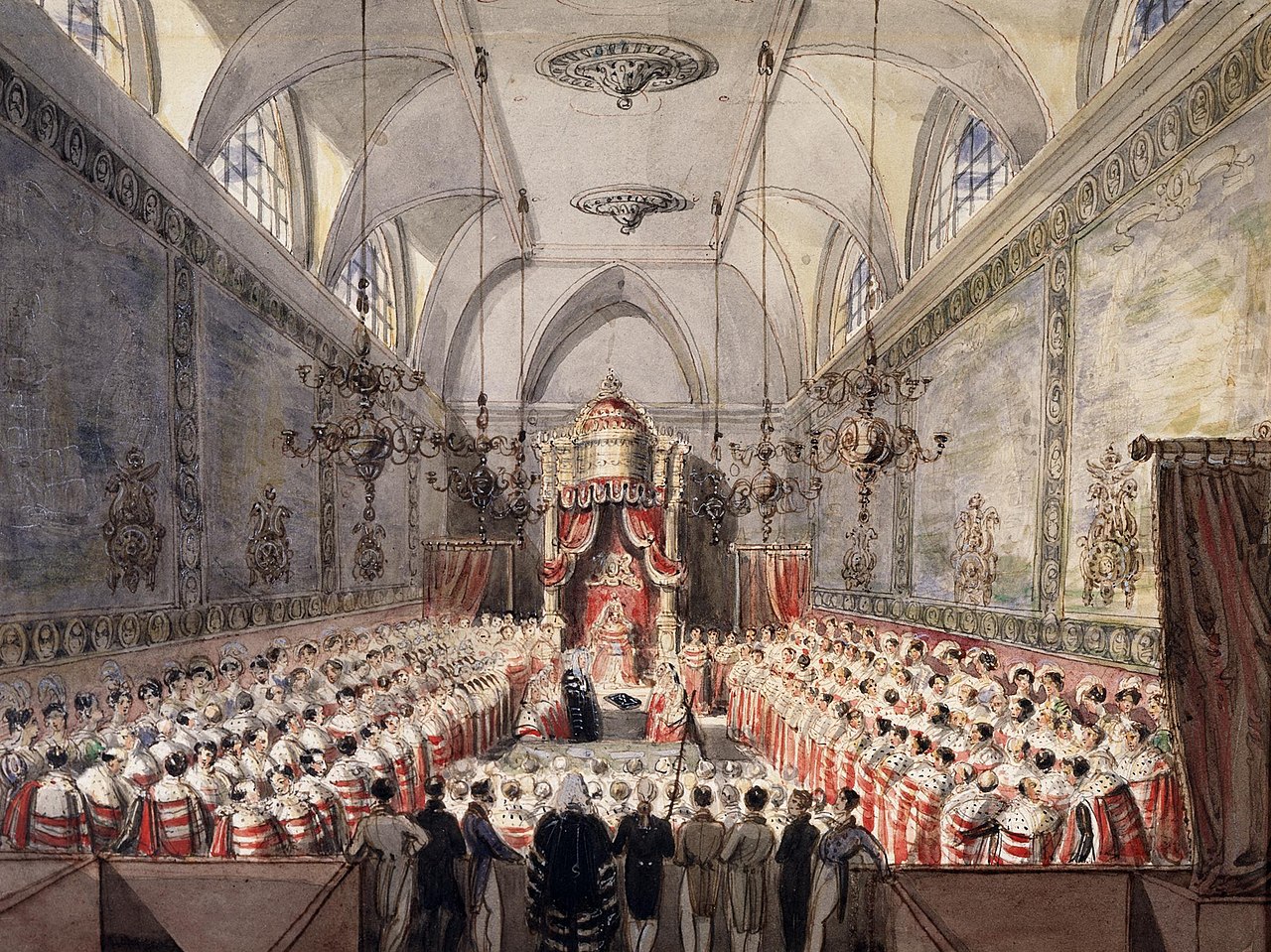
Some peers are diligent and hardworking. Many are not. Investigations by the Electoral Reform Society and media outlets have repeatedly found peers who claim tens of thousands of pounds in allowances while contributing little or nothing to debates or committees. There is no performance review, no accountability, and no way for the public to remove someone who is taking the money and doing nothing.
For £130 million a year, we could fund thousands of nurses, teachers, or social workers. Instead, we are funding a bloated, unelected chamber that exists primarily to give retired politicians, party donors, and aristocrats a platform and a paycheck.
The democratic deficit
The UK is the only major democracy with a fully unelected second chamber. Every comparable country—Germany, France, Australia, Canada, the United States—has an elected upper house, or has abolished it entirely. We are the outlier, and not in a good way.
The standard defence is that the Lords provides expertise and acts as a revising chamber, scrutinising legislation from the Commons. This is true to an extent, but it does not justify the lack of democratic accountability. You can have expertise and scrutiny in an elected chamber. The two are not mutually exclusive.
The deeper problem is that an unelected chamber has no legitimacy to block or delay legislation passed by elected representatives. The Lords can and does delay bills, sometimes for over a year, using procedural mechanisms that are opaque and unaccountable. When it does this, it is not providing scrutiny. It is overriding the democratic will of the electorate.
The cronyism and corruption
Appointment to the Lords is supposed to be based on merit and public service. In practice, it is often a reward for political loyalty or large donations. Both major parties have been guilty of this. Former Prime Ministers have handed peerages to advisers, donors, and allies, often shortly before leaving office.
The House of Lords Appointments Commission is supposed to vet nominations, but it has limited power and can be overruled by the Prime Minister. The result is a chamber packed with party loyalists and wealthy donors, many of whom have no particular expertise or record of public service beyond writing cheques to political parties.
This is not a conspiracy theory. It is documented and well-known. The Electoral Reform Society and others have repeatedly called for reform, and successive governments have ignored them because the current system benefits those in power.
The international comparison: we are alone
Look at other democracies, and the contrast is stark. Germany's Bundesrat is elected by state legislatures. Australia's Senate is directly elected by proportional representation. France's Senate is indirectly elected by local officials. Canada's Senate is appointed but with regional balance and, increasingly, non-partisan appointments.
New Zealand and Denmark abolished their second chambers entirely and function perfectly well with unicameral legislatures. The idea that you need an unelected upper house for effective governance is simply false. Most democracies manage without one, and those that have one make it accountable.
The UK is clinging to a system that the rest of the democratic world has either reformed or abandoned. The argument that it is part of our tradition is not a defence. Lots of things were traditional—child labour, no votes for women, criminalising homosexuality. We changed them because they were wrong. The Lords is wrong, and tradition is not a reason to keep it.
The reform proposals that go nowhere
There have been numerous proposals to reform the Lords over the past century. The 1911 Parliament Act reduced its powers. The 1999 House of Lords Act removed most hereditary peers, but left 92 as a compromise. Labour promised an elected Lords in its 2010 manifesto and did nothing. The Conservatives promised reform and did nothing. The Liberal Democrats have called for abolition for years and been ignored.
The problem is that reform requires those in power to give up a tool of patronage and a retirement home for loyal MPs. No government wants to do that. The result is endless talk and no action.
The most recent serious proposal was a 2012 bill for an 80% elected Lords, which was blocked by Conservative backbenchers who liked the current system just fine. Since then, nothing. The chamber has continued to grow, costs have continued to rise, and the democratic deficit has continued to widen.
What should replace it
There are two credible options. The first is a smaller, elected second chamber with proportional representation and fixed terms. This would provide regional representation, scrutiny of legislation, and democratic accountability. The German Bundesrat is a good model: elected by state legislatures, representing regional interests, with real power but democratic legitimacy.
The second option is abolition. A unicameral legislature, like New Zealand or Denmark, with strong committee systems and judicial review to provide checks and balances. This is simpler, cheaper, and eliminates the democratic deficit entirely.
Either would be better than the current system. The worst option is the status quo: an unelected, bloated, expensive chamber with no accountability and no legitimacy.
The political barriers
The reason reform does not happen is not technical. It is political. The Lords is useful to those in power. It is a place to reward allies, park former MPs, and delay legislation when convenient. Reforming it means giving up those benefits, and no government wants to do that.
There is also inertia. The Lords has existed for centuries, and changing it feels like a big, risky project. It is easier to leave it alone and focus on other priorities. But the cost of inertia is a democratic deficit that undermines the legitimacy of the entire political system.
The bottom line
The House of Lords is indefensible. It is unelected, bloated, expensive, and packed with hereditary peers and party donors. It costs £130 million a year and provides no democratic accountability. Every other major democracy has either reformed or abolished its second chamber. The UK is clinging to a system that is a relic of aristocracy, not a feature of modern democracy. It is time to abolish the Lords and replace it with something fit for the 21st century—whether that is an elected chamber or no chamber at all. The current system is an embarrassment, and the only question is how much longer we will tolerate it.
Frequently asked questions
Doesn't the Lords provide valuable expertise and scrutiny?
Some members do contribute expertise, but that does not require an unelected chamber of 800 people. A smaller, elected or appointed chamber with term limits could provide scrutiny without the democratic deficit. Expertise is not an argument for hereditary seats or lifetime appointments.
Isn't an unelected chamber useful as a check on populism?
This is the 'wise elders' argument, and it is patronising. Voters are capable of making informed decisions, and if they are not, the solution is better education and media, not removing their democratic power. Unelected chambers are not a safeguard against bad decisions—they are a safeguard against democracy itself.
What would replace the Lords?
A smaller, elected second chamber with proportional representation and fixed terms, similar to the German Bundesrat or Australian Senate. Or abolish it entirely and have a unicameral system like New Zealand or Denmark. Both are more democratic than the current arrangement.








Join in — free. Comments on Daily Junction are for members, so real names stay rare and bots stay out.
One field. We email you a 6-digit code — no password needed. Your comment is kept while you do it.
Under 13? You’ll need a parent’s OK first — it takes them one click.